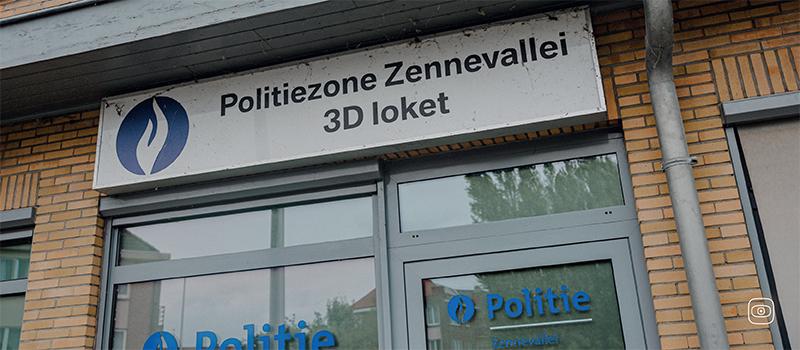
The aim is to deploy patrols to these areas in a strategic manner in order to reduce crime through a deterrent effect. Trials are planned for 2026 in at least twenty Flemish police districts.
In this project, journalist Lotte Debrauwer delves deeper into the subject. Through open-source research, interviews with experts, and by acting as a police officer herself, she exposes the risks associated with this predictive policing technology. She demonstrates why the model is not neutral and explains why the trials in Flanders may take a long time to materialise.
She also turns her attention to the Netherlands, where the Dutch police phased out the Crime Anticipation System (CAS) after more than a decade. An in-depth investigation based on freedom of information requests reveals just how problematic the use of the CAS model was for Belgium's northern neighbours.