The accord was intended to gradually reduce tariffs and eliminate other trade barriers. In essence, it would have allowed ECOWAS member states to export more goods to Europe. In return, it would have given EU manufacturers of finished products direct access to West Africa’s previously protected markets.
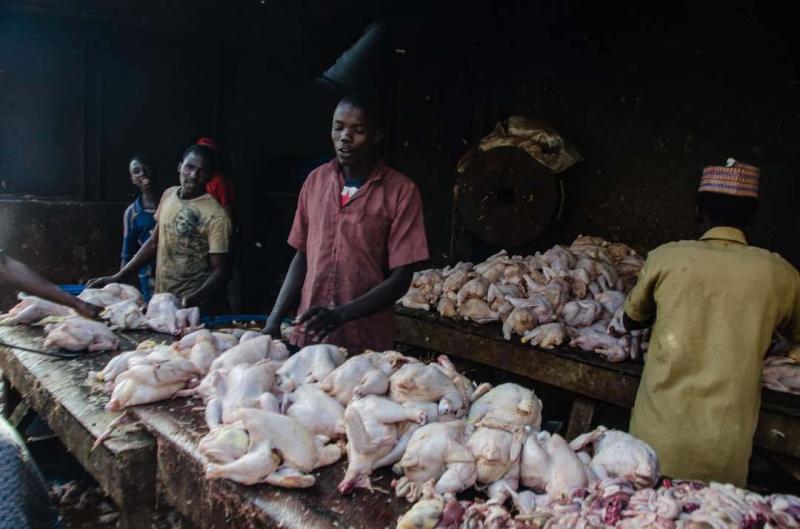
However, the negotiations for the Economic Partnership Agreement (EPA) ran into troubled waters when Nigeria and a few other countries refused to sign the agreement last year. Brussels set a deadline of 1 October 2016. Abuja defied it. In Ghana, however, the country is about to repeat decades of poor economic decision-making, beginning with the IMF's Structural Adjustment Policy, which damaged a once-productive agricultural savannah. This time, it has signed an interim EPA with Brussels. This investigation reveals some of the challenges associated with the accord that suave policymakers and politicians, from Abuja to Accra, would rather not talk about.