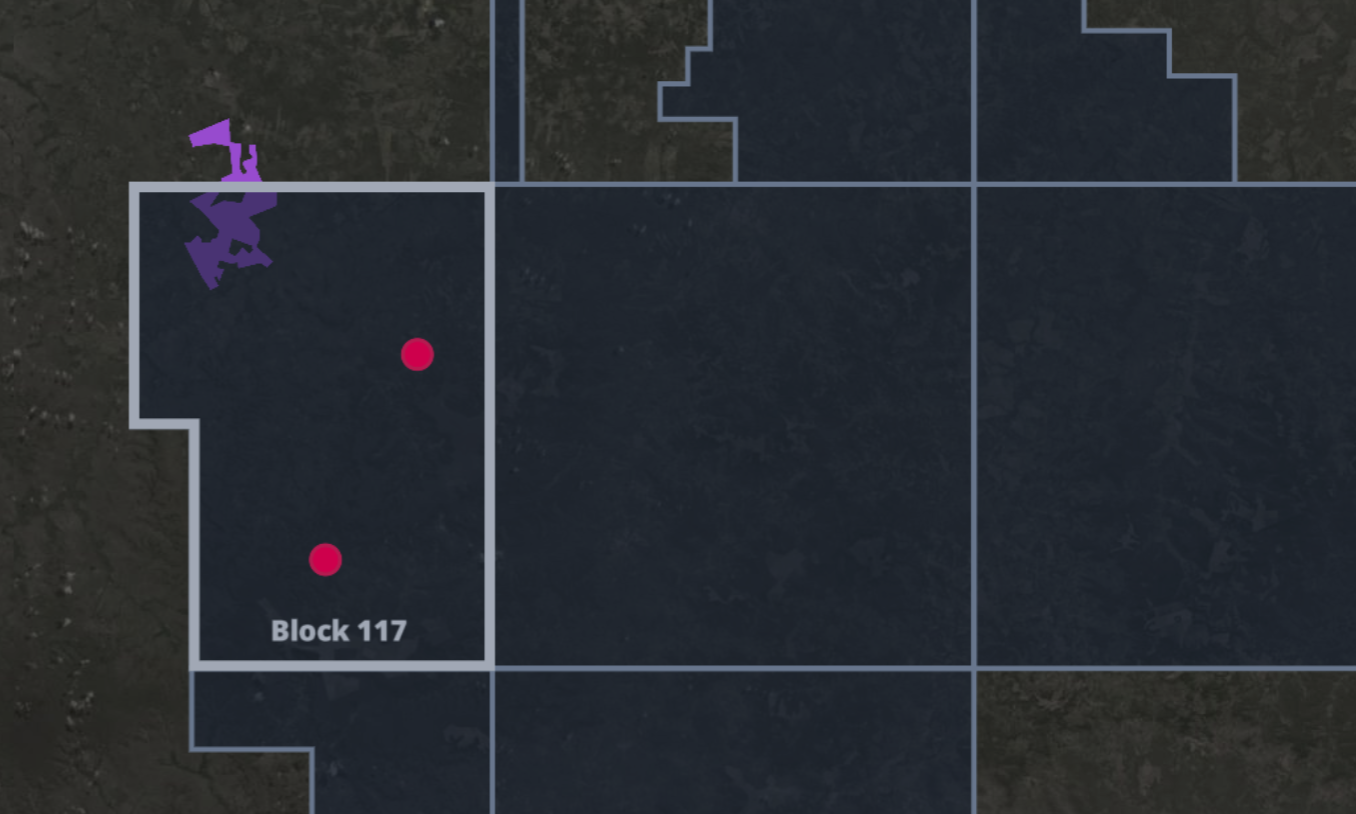
These included Block PN-T-117, which overlapped approximately 75% of the Krenyê indigenous land, and blocks PN-T-118 and PN-T-119, which encroached on quilombola territories. The company filed its withdrawal with the National Agency of Petroleum, Natural Gas and Biofuels (ANP) on 12 May 2026, announcing the permanent cessation of exploration activities and the full return of all three concessions.
The decision followed InfoAmazonia's January 2026 investigation, published as part of the Fueling Ecocide cross-border project, which revealed that these concessions encroached on indigenous and quilombola territories without the free, prior, and informed consent of the affected communities. Prior to publication, the issue had not entered public debate; the licences had previously been renewed without scrutiny. For the Krenyê and quilombola communities, the withdrawal means that exploration under these concessions will not advance, removing a concrete threat that the investigation brought to light.
This outcome reflects a pattern documented across the Fueling Ecocide project more broadly: journalists identified approximately 7,000 protected natural areas worldwide — including the Great Barrier Reef, the Maya Biosphere Reserve, and the Lower Ogooué wetlands — threatened by oil and gas development despite their protected status, through analysis of global data on fossil fuel licences and protected areas across 120 countries.
Read more:
- Eneva withdraws from three natural gas blocks that had encroached on Krenyê indigenous land and Quilombola territories in Maranhão, Brazil, InfoAmazonia, 26/05/2026
Previous impact: