Coordinated by Juliet Ferguson, the investigation was carried out by Investigate Europe and Watershed Investigations, with a team of 11 journalists. Combining original data analysis with extensive field reporting, they mapped more than 60,000 landfills across Europe, revealing that thousands sit in flood-risk zones, drinking water protection areas, or sensitive conservation sites. With no comprehensive EU-level database and fragmented national records, the team built what is now the most complete public landfill risk assessment of the region to date.
The prize, now in its latest edition, was set up with support from the Fondation Madeleine, hosted by Fondation Dauphine, to highlight investigations documenting the many facets of the ecological emergency and to feed public debate. Forty-two entries were submitted this year, judged by a jury of JNE members and representatives of France's journalism schoolsd. Three €1,000 prizes were awarded, alongside one honorary mention.
The jury praised Toxic Ground for its field reporting, its previously unpublished data, and the strength of its European cross-border collaboration. The award will be presented to Leïla Minano for her French reporting, Décharges oubliées : des milliers de bombes toxiques sur tout le territoire, published by Reporterre as part of the wider project. The other 2026 laureates are Sophie Douce (La Croix), for her report on Senegal's sardinella fishery, and Sarah Younan (revue Pays), for her investigation into the health legacy of mining in the Cévennes; Hugo Coignard (Médiacités) received a special mention for his reporting on industrial gas emissions near Lyon.
The investigation was published with media partners across the continent, including ARTE, Altreconomia, EUobserver, The Guardian, infoLibre.es, ITV, TheJournal.ie, Reporterre, Reporters United and Revista Visão.
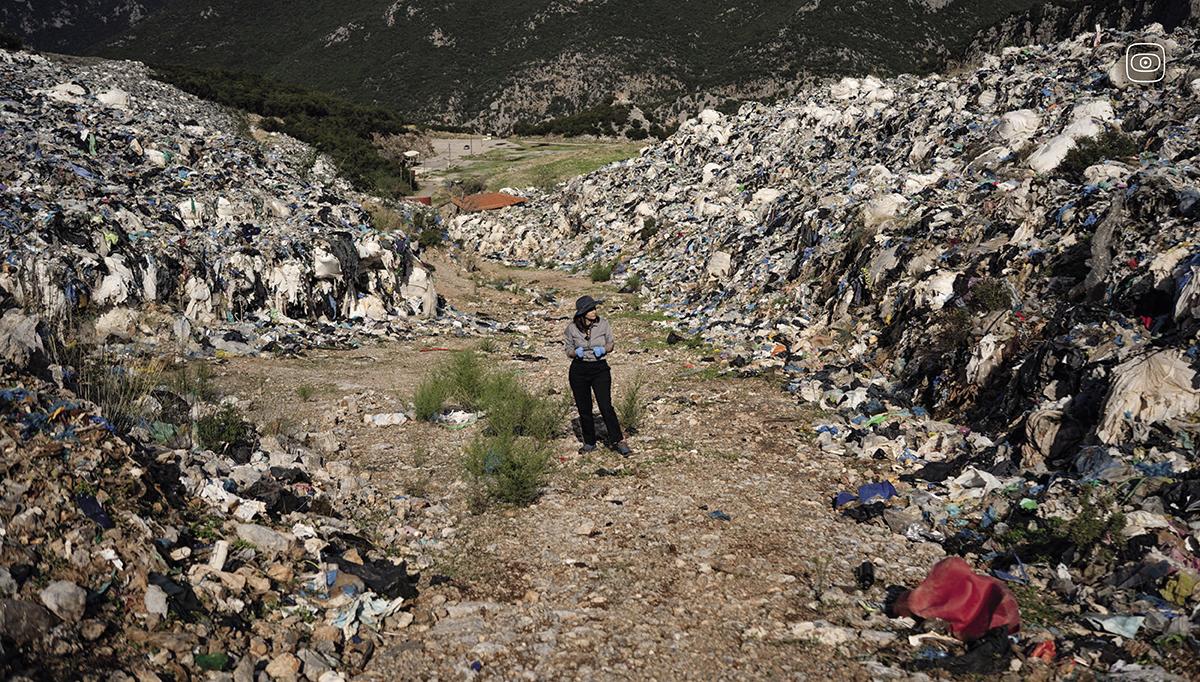
The reporting has already had concrete impact. In Kalamata, Greece, local press picked up the team's findings on the Maratholaka landfill on Mount Taygetos. Backed by independent lab testing and drone footage, the revelations triggered at least three city council debates in the two months following publication, with the mayor repeatedly called to account. Journalist Eurydice Bersi discussed the findings on national radio, and readers elsewhere in Greece contacted the team asking whether their own local landfills could be investigated too.
Congratulations to the whole *Toxic Ground* team, and to the other winners of this year's prize.