‘The polluter pays’ is a core principle of the European Union’s decarbonisation policy. However, an analysis of how the EU Modernisation Fund is distributed suggests that this principle could more accurately be restated as 'the polluter profits'.
While this fund is promoted as a main decarbonisation tool for 13 lower-income member states, its actual track record is checkered. In key countries, the subsidy mechanism props up existing polluting industries while largely sidelining clean, renewable sources such as wind and solar power.
'Polluter Profits', a journalistic collaboration coordinated by Deník Referendum in the Czech Republic, together with Context in Romania and Oko.press in Poland, reveals that a significant portion of this crucial fund continues to finance polluting industries.
Key findings
- Over the past five years, €5.3 billion in EU Modernisation Fund subsidies have been allocated to high-emission projects in Czechia, Poland and Romania, which together receive the vast majority of the fund's total allocation.
- Thirty per cent of the total funding distributed in these three key countries is being used to support polluting industries, particulary natural gas plants.
- Concentrated wealth: The investigation reveals a troubling concentration of subsidies among a small handful of applicants and even Russian oligarchs among prominent beneficiaries.
Methodology
The team of reporters compiled fragmented data from national authorities and examined the objectives and beneficiaries of over 8,000 subsidised projects on a case-by-case basis. The resulting dataset reveals how the EU Modernisation Fund is being utilised by the three member states that receive over four-fifths of the total available funding. This provides a comprehensive overview of the management of the fund's resources overall.
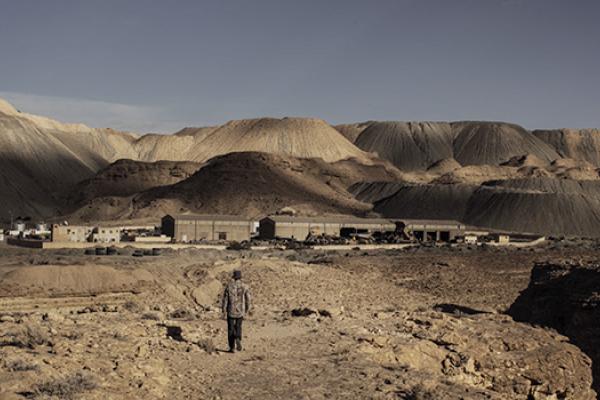
Photo © Jindřich Janíček