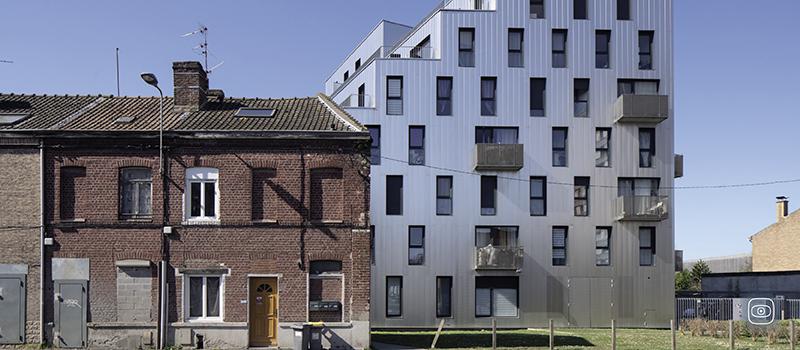
What role does undermining drug crime play in urban renewal projects in Rotterdam-South and Lille-South ? That is what Vers Beton (Netherlands) and Mediacités (France) investigated.
Both cities have long-term (20-30 year) megaprojects to improve life in their neighbourhoods. But places south of these two urban areas are also struggling with persistent drug crime. How are they preventing this problem from derailing progress in the neighbourhoods? And what lessons can each city learn from the other?
As part of our solutions-based journalism approach, we set out to explore the options available to local authorities and the state to transform the areas in the south and prevent young people from being attracted to crime. In addition to the three traditional pillars of urban regeneration plans (construction, education and employment), Rotterdam's so-called 'NPRZ' plan stands out for its very strong actions in the fight against organised crime. Lille, on the other hand, seems powerless and lacking in vision when it comes to curbing drug trafficking. In both cities, ambitions are high, but progress is very slow.
This report looks back on two decades of effort, small victories and big challenges.
Impact
The project generated interest, and trust and new initiatives. Following the publication of the series of articles, the researcher interviewed in Lille Sud stated that their intention to reach out to experts in Rotterdam, with a view to developing a cross border, interdisciplinary research teamand taking the journalistic work further. One of the interviewees, a history teacher and former president of the social centre, wrote to Médiacités to say that the article was a “wonderful, long piece that accurately reflects the neighbourhood’s strengths and weaknesses, and deserves to be shared. It offers an outside perspective that strives to remain objective.”
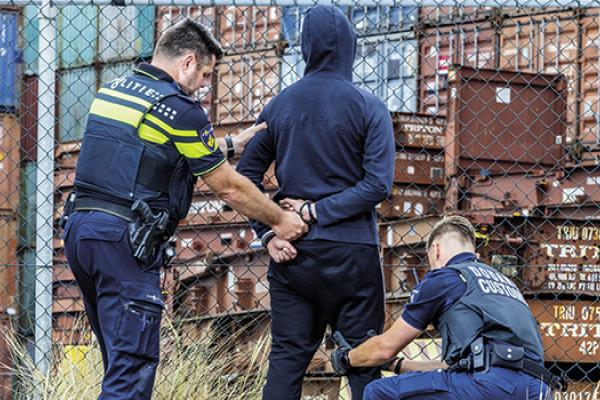
Photo: Frank Hanswijk