EU Farm Funds Favour Political Elites Over Farmers
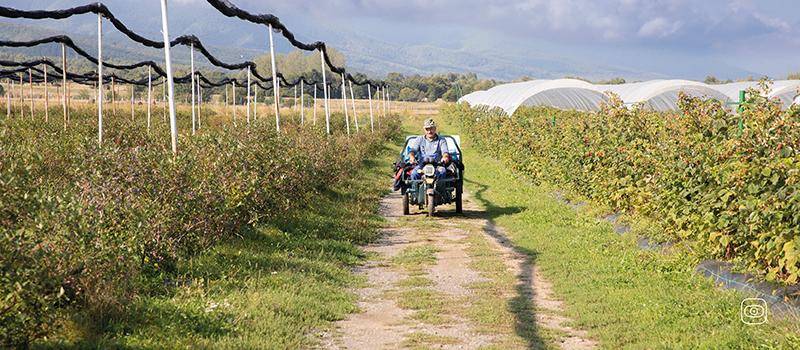
TIRANA – The European Union is supporting Albania and North Macedonia in the agricultural sector through the IPARD programme. The aim is to prepare the countries for EU membership.
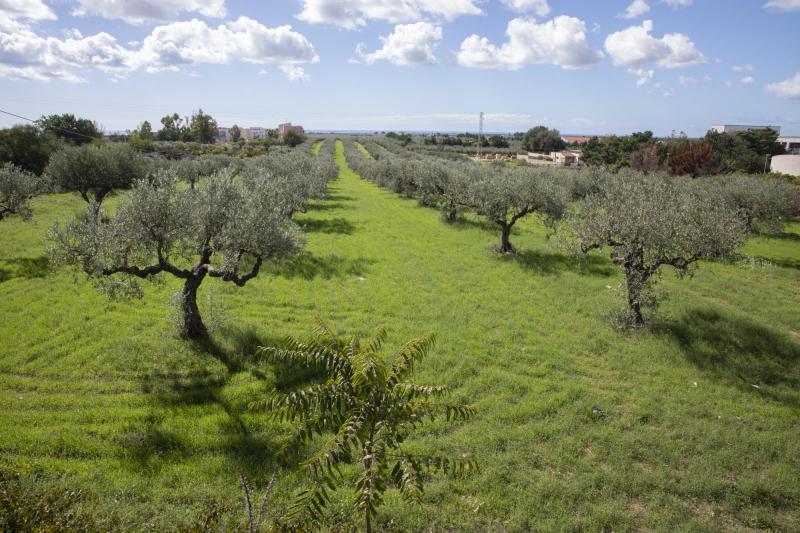
PUGLIA - This investigation on the ground raises awareness of the main players in the agricultural market, from organised crime to the failings of national and European institutional oversight.
Toxic Pesticides. Banned in Europe, Dumped in Africa
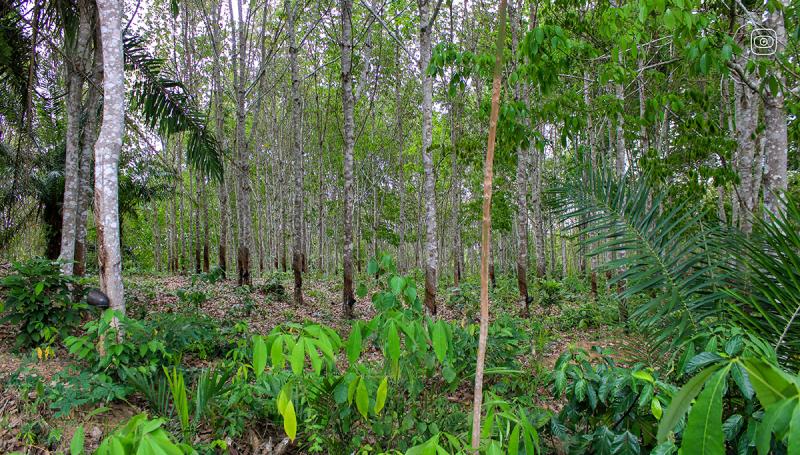
ACCRA - This investigation puts the spotlight on the use of banned pesticides from Europe in rubber farms in Ghana and other regions across the world, while European development banks, the main funder of such projects turn a blind eye to the environmental, health and safety concerns.
BRASILIA - The investigation reveals the environmental and health impacts faced by local Brazilian farmers due to tobacco production sold to European and North American multinational companies.
LAZIO - The team has been investigating The Green Gold of Italy, or Kiwi Revolution as it is known locally, since April 2022. The Lazio region of Italy has become the world's largest producer of kiwis in the past years. But glitter doesn't always mean gold.
OYO - The Danish government's Danida Market Development Partnerships (DMDP) disbursed DKK 9 million to its Canadian partner Mennonite Economic Development Association (MEDA) in 2019 for a 4-year project to support Nigerian women shea collectors, but the project was terminated before the ...
Why EU-Banned Pesticides Pose a Risk to Cameroon and Kenya
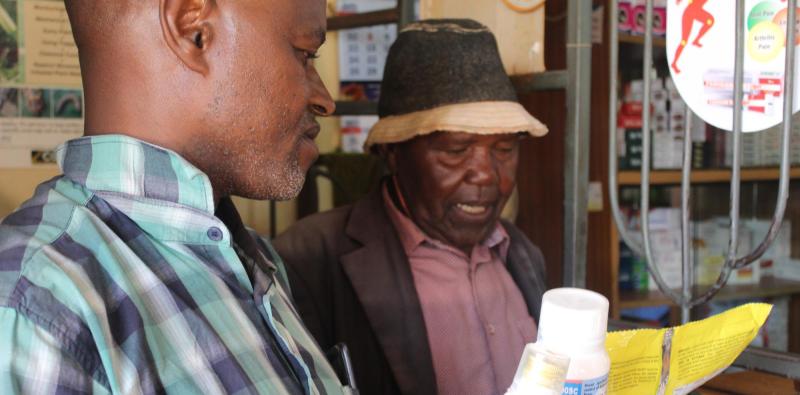
NAIROBI / YAOUNDÉ - A cross-border investigation has revealed that pesticides banned in the European Union are still in use in Kenya and Cameroon. These concerning chemicals are readily available to both small- and large-scale farmers, despite them being unaware of their effects.
The Migrant Farm Workers on the Frontline of Europe’s Climate Crisis
CAMPOBELLO DI MAZARA – Migrant farm workers in Italy and Spain are on the frontline of Europe’s climate emergency, bearing the brunt of deadly heatwaves and extreme weather. While the media has focused on the impact of rising temperatures on European citizens, hundreds of thousands of migrant ...
KYIV - Cereal is the new petroleum, farmland the new reservoirs of oil, and ships loaded with grain are the new pipelines. As the value of crops increases, every country in possession of this resource is in a position of power, and its transport to market is a politically-charged operation.
HUELVA - Across the southern Iberian Peninsula, plastic greenhouses stretch to the horizon where rain-fed olives, wheat and grapes were traditionally grown. Spain and Portugal are Europe’s main producers of water-intensive berries. But the region is also one of the continent’s driest areas, where ...
KAYAR - Over half a million tonnes of fish are turned into fishmeal and fish oil to feed animals in industrial aquaculture systems and on intensive farms and demand is growing, as is outrage in West African fishing communities.
ZEELAND - To whom does the Dutch province of Zeeland belong? Partly to Belgians, who own up to a fifth of the agricultural land in the southernmost part of the province. The Dutch research collective Spit and the Belgian platform Apache went in search of the large landowners and answered the ...
BRUSSELS - Animal protein production accounts for 82% of food’s carbon footprint in the EU, and it is therefore necessary to curb livestock emissions in order to reach the goals within the EU green deal.
Hidden cross-border pollution in Ireland and the United Kingdom
BELFAST - As part of a cross-border project to investigate the poultry industry on the island of Ireland, the investigative team from The Detail, Noteworthy and The Guardian took a deep dive into cross-border litter trade and the environmental impacts from the industry as it expands in line with Sta ...
BRUSSELS - In 2021, the EU launched the brand-new Farm-to-Fork strategy to make our agriculture more sustainable. Among other things, this strategy aims to ensure that meat production and consumption decreases in member states to reduce the impact on our health and the environment. However, this ...
BRUSSELS - Suffering from Parkinson's disease or cancer, European farm workers experience inadequate recognition and failing compensation schemes, a cross-border research of media in ten European countries shows.
BRUSSELS - Climate change is causing extremes in weather, such as more frequent heat waves, periods of drought and intense rainfall. Our farmers notice the consequences of the climate crisis on their fields, in fluctuating yields and failing crops.
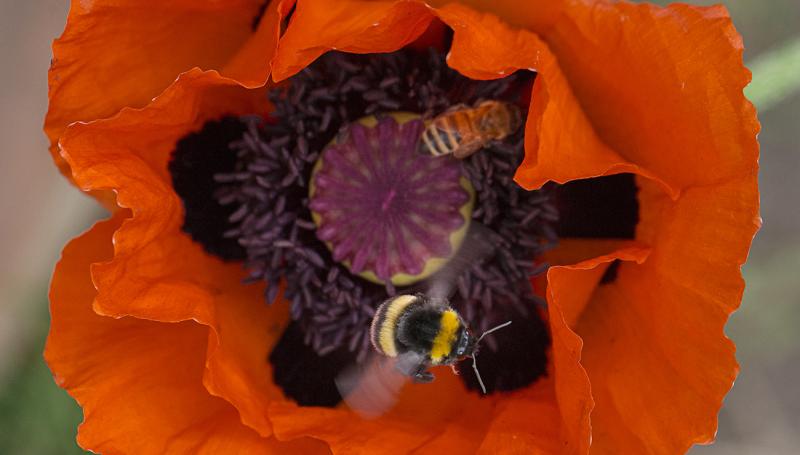
BARCELONA – Beekeepers across Europe are facing challenges. Over the past few decades, European policies — especially the Common Agricultural Policy (CAP) — have encouraged the industrialisation of agriculture. This has left bees with nowhere to thrive and exposed them to many harmful substances ...
KAMPALA - This transnational three-part investigation looks at agricultural biotechnologies, better known as Genetically Modified Organisms (GMOs) from the African perspective using Burkina Faso, South Africa and Uganda as case studies.
How Khat Smuggling to Somalia is Costing Kenya Millions
NAIROBI / MOGADISHU - Khat, also known as Miraa, is being smuggled openly in the coastal town of Lamu in Kenya. This has been exacerbated by the ban on Miraa exports to Somalia in 2020, following a diplomatic dispute between the two countries.
MATADI - Since colonial times, much and yet little has changed in the Congolese province of Kongo Central. Belgian companies in the Congolese agro-industry no longer play the role they did when they started operating in the then colony more than a century ago. The way in which these companies ...
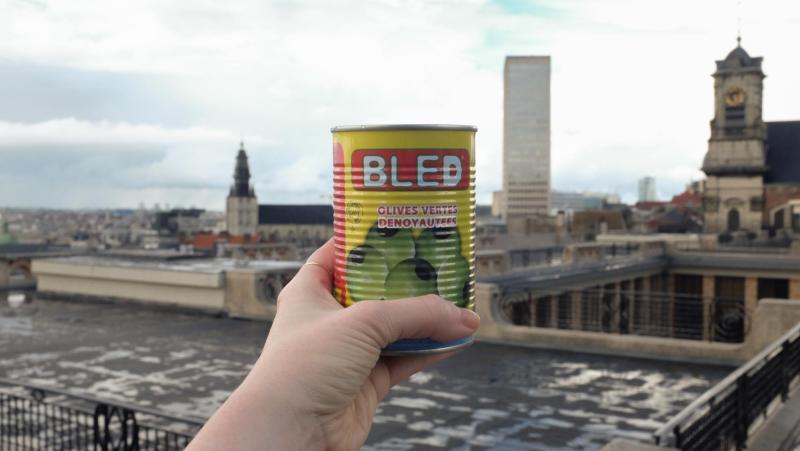
BRUSSELS - 'Back to Bled' is a contemporary story about the connection between the city and the countryside, starting in multicultural Brussels. The core of the documentary is friction; friction between city and countryside, ecology and economy, healthy versus cheap, connected versus uprooted.
More Dutch cattle farmers move to Belgium since nitrogen crisis
Since the start of the nitrogen crisis in 2018, more Dutch livestock farmers moved to Belgium than in previous years. This is evident from new research by Spit and Apache. Environmental organisations have been warning for some time that Belgium has become a 'nitrogen paradise' for large-scale ...
BRUSSELS - 'Back to Bled' is a contemporary story about the connection between the city and the countryside, starting in multicultural Brussels. The core of the documentary is friction; friction between city and countryside, ecology and economy, healthy versus cheap, connected versus uprooted.
How China's Peanut Appetite is Crushing Senegal's Groundnut Oil Industry
PARIS / DAKAR - Over the last decade, the Chinese appetite for peanuts has turned them into the new 'gold' of Senegal. The two countries signed an agreement in 2014, after which China became the leading importer of Senegalese peanuts.
NIEUWKERKE - Belgium is the world's largest exporter of frozen potato products. And that takes a lot of potatoes. An unprecedented Belgian success story. What does the chain look like behind that bag of frozen croquettes or that large packet of chips?
BRUSSELS - Europe's Natura 2000 protected areas are groaning under nitrogen emissions from livestock farming. Meanwhile, farmers near nature reserves fear for their future. Due to conflicting policy choices, agriculture and nature conversation have become diametrically opposed. The call for a long ...