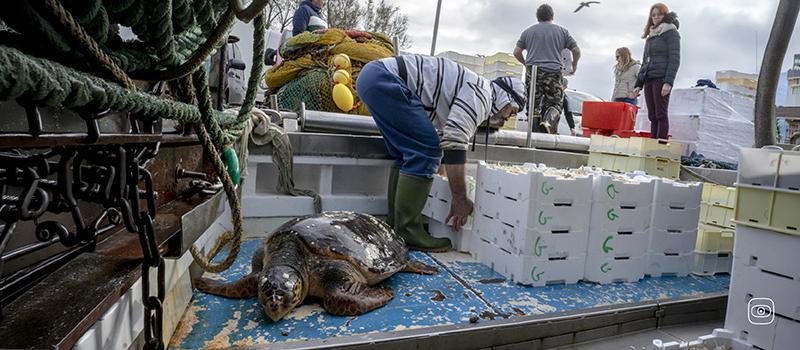
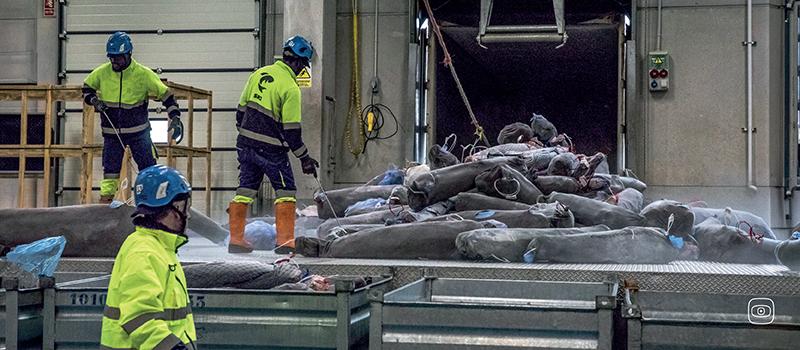
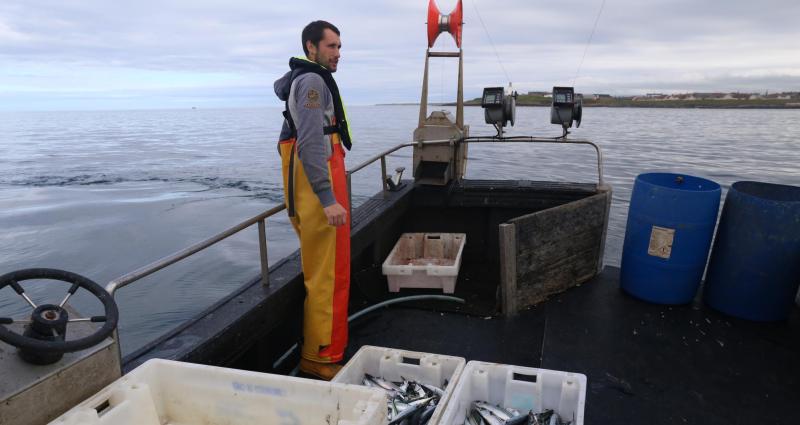
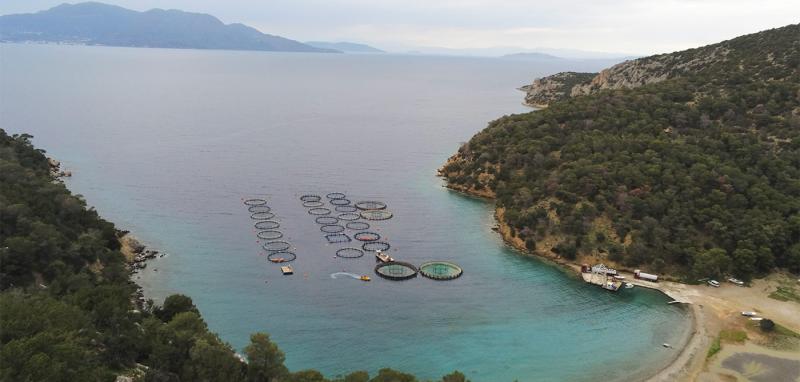
CESENATICO / MALI LOŠINJ - Every year in the northern Adriatic, hundreds of loggerhead turtles and dozens of bottlenose dolphins die in Italian and Croatian fishing nets. They are protected species under EU law, and only 250–400 dolphins live in these waters. Officially it is "accidental" bycatch ...
VIGO / TAIPEI - Together, Spain and Taiwan account for almost two-thirds of the world’s reported blue shark catch, turning one of the ocean’s most widely distributed predators into a global commodity.
ROME - From human rights violations and forced labour to frequent illegal fishing, squid fishing in international waters is one of the least transparent food supply chains in existence. However, Europe and the United States are becoming the main buyers of squid linked to human rights violations and ...
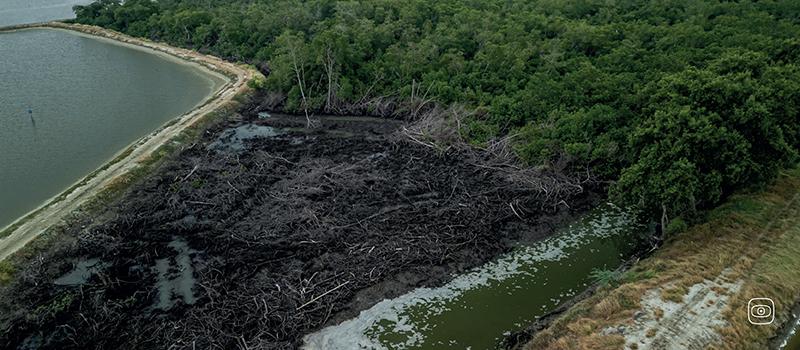
GUAYAQUIL – As European demand for tropical shrimp surges, Ecuador has become the continent's leading supplier. However, this booming industry exacts a heavy toll on vital mangrove ecosystems and the coastal communities that rely on them for their livelihoods.
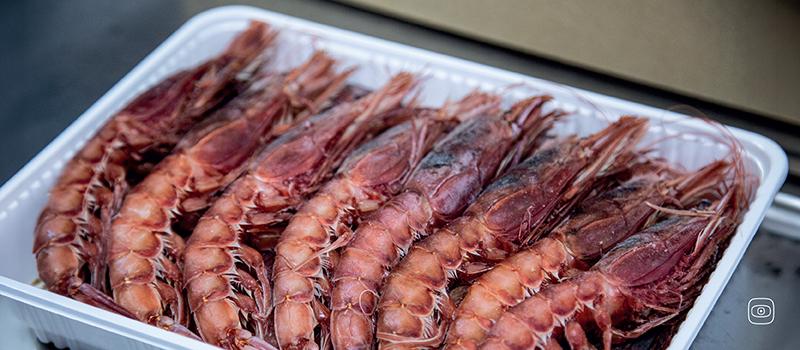
MAZARA DEL VALLO – This investigation reveals that Mazara's renowned red shrimp brand is becoming increasingly dependent on global supply chains, Libyan waters and opaque practices. Declining local catches and rising costs are pushing this famous Italian fishery into crisis.
Enginegate: Europe's Fishing Fleet Breaking the Rules
PORTO DO SON - The EU’s flagship fisheries policy is being undermined by a loophole. Thousands of fishing vessels are operating with illegally powerful engines, undermining conservation rules and raising doubts about the Union’s sustainability promises.
SANTIAGO DE CHILE / ROMA /MADRID - Behind the glossy export numbers of Chilean salmon lies a trail of environmental wreckage, dangerous working conditions, and fish so drenched in antibiotics they could threaten consumers’ health.
VRATSA / TULCEA / DNIESTER – Sturgeon fishing - for a species threatened with extinction - has been banned across the entire Danube and Black Sea basin for many years. But a new cross-border investigation proves that illegal fishing practices persist.
VENETO / EMILIA-ROMAGNA - After Romania tightened its poaching laws in the Danube Delta, hundreds of fishermen crossed borders in search of work and dignity, settling along Italy’s Po River. But what began as an escape from corruption and collapsing local livelihoods has turned into a paradox.
Exposing Europe's Most Sophisticated Environmental Crime
NARITA - The multi-billion-euro black market in European eels is one of the world's most lucrative and sophisticated environmental crimes, and it all starts in Europe. Organised crime groups are smuggling them to Asia via third countries, and this trade is pushing the species to the brink of ...
Dutch Firms Exploit UK Fishing Loophole for Migrant Labour
IJMUIDEN/ FRASERBURGH/ DUNVEGAN/ HVIDE SANDE – The European fishing industry is becoming increasingly reliant on migrant labour from outside the EU. However, due to the difficulty of regulating international waters, as well as a lack of knowledge and oversight regarding labour laws, these migrant ...
The European Hake: Mediterranean’s Most Overfished Species
ROME / MADRID – This cross-border investigation set out to uncover the reasons behind the overfishing of European hake. The journalists gathered compelling evidence of widespread illegality in the process.
IJMUIDEN - After pulse fishing was banned by the European Parliament in 2018, many Dutch fishermen switched to flyshooting. However, flyshoot fishing mainly targets species for which there is too little data to manage stocks properly. These are not subject to quotas and fishermen can take them out ...
ROTTERDAM - The Netherlands is a hub for Russian whitefish such as cod, and thus indirectly facilitates Russia's war chest. Millions of kilos of Russian fish arrive in the port of Velsen every year, but controls on illegal catches are seriously inadequate.
PALMA / ACI TREZZA / AGIA NAPA – This investigation focuses on how the EU laws have promoted industrial fishing in the Mediterranean, to the detriment of Southern European small-scale fishermen.
Left Adrift: Climate Change Threatens Shellfish Farmers in Southern Europe
VIGO/TARANTO - Extreme weather events made more frequent and intense by climate change — including marine heatwaves and torrential rain — are wreaking havoc on shellfish production across southern Europe, threatening the livelihoods and traditions that depend on this important sector.
CATANIA — Almost 1000 alien marine species, many dangerous and extremely invasive, are spreading quickly across the world’s fastest-warming sea, the Mediterranean.
Climate-induced Migration Traps Indian Seafarers in UK Fishing Industry
KANNIYAKUMARI / TAMIL NADU – This investigation unravels abuse and exploitation of lower-income migrant fishers from climate-affected coastal communities of India on UK-flagged fishing vessels under the country’s infamous transit visa system.
VLADIVOSTOK / BUSAN – After Russia attacked Ukraine, the West acted swiftly. Within months, the Western alliance imposed hard-hitting sanctions against the Eastern giant. However, these sanctions did not affect most Russian fishing industries, which kept exporting 1.1 billion USD of seafood into ...
EDINBURGH - Europe’s marine environment faces a plethora of severe threats. What are the key species in decline, and which interest groups are lobbying against marine protection laws? This investigation looks into Europe’s interconnected marine systems, and how they can be preserved.
BORTIANOR - This investigation brings into the spotlight the export of endangered small pelagic fish from Ghana to the EU. The EC still maintains a yellow card warning for Ghana, while allowing access to the EU market to certain industrial vessels and companies involved in IUU activities within ...
Hands On Deck: Exploitation of Migrant Fishing Workers in Ireland
DUBLIN - Recruited to Ireland with the promise of good wages, fishers from the Philippines - often in debt after paying illegal recruitment fees - travel across the world to provide better opportunities for themselves and their families. But a work permission scheme, introduced following exposure of ...
The return of wild salmon in Switzerland, an old fish tale?
BASEL - In 1987, a year after the Basel environmental disaster that left 1.5 million fishes dead in the Upper Rhine, nine European countries met and promised to restore the river including reintroducing Atlantic salmon by the year 2000 in its natural reproduction habitat in Switzerland. 35 years ...
LONDON / BRUSSELS – According to a 1980 international UN law, the Northeastern Atlantic countries must meet regularly to agree on a fishing quota for each country––so that everybody gets a fair share and fish stocks don't get overfished. The multilateral agreements are supposed to ensure that no ...
Killing Krill: Supermarkets and Salmon Farms Under Fire
EDINBURGH - Antarctic krill (Euphausia superba) is a shrimplike crustacean a few centimeters long, supporting the marine food chain around Antarctica. The Antarctic krill fishing industry has been growing in the last two decades, driven by the global growth of aquaculture. Krill is considered a ...
KAYAR - Over half a million tonnes of fish are turned into fishmeal and fish oil to feed animals in industrial aquaculture systems and on intensive farms and demand is growing, as is outrage in West African fishing communities.
The Invisible Factory Farms: The Rise of Aquaculture In "Green” Europe
SUTHERLAND - The European Union pledged around 2.9 billion euro between 2001 and 2020 to support the development of aquaculture. Based on the Food and Agriculture Organisation's strong support for fish farming, European institutions plan to develop aquaculture in member states, in order to decrease ...
EU and Italy turn blind eye to illegal fishing in West Africa
FREETOWN - Fish exported from Sierra Leone to Italy is exposed to allegedly illegal trawling that the Italian government seems unwilling to scrutinize.
Stolen at sea: illegal Chinese transshipment activities in Ghana and Nigeria
ACCRA, ABUJA – This investigation exposes a hidden network of Chinese control and ownership of many industrial fishing vessels operating in Ghanaian and Nigerian waters in contravention of local laws.